HomeCategory

Hip -Knee- Foot Αρχεία - Νικόλαος Ζερβάκης MD, MSc

Achilles tendon rupture

Achilles tendon rupture The Achilles tendon – the strongest tendon in the human body – is responsible for the movement of the ankle joint but also for filtering the voluntary or involuntary excessive muscle contraction, very common in athletes. Achilles tendon rupture (damage) is one of the rare sports injuries and occurs mainly in amateur...
Cruciate injuries

Crucifix injuries Crucifix injuries include fractures, partial or complete tears of the anterior cruciate and posterior cruciate ligaments. The cruciate ligaments ensure stability of the knee in every movement.   The anterior cruciate ligament prevents anterior and rotational displacement of the tibia, and the posterior cruciate ligament prevents posterior displacement. Injury to both the anterior...

Transient hip osteoporosis

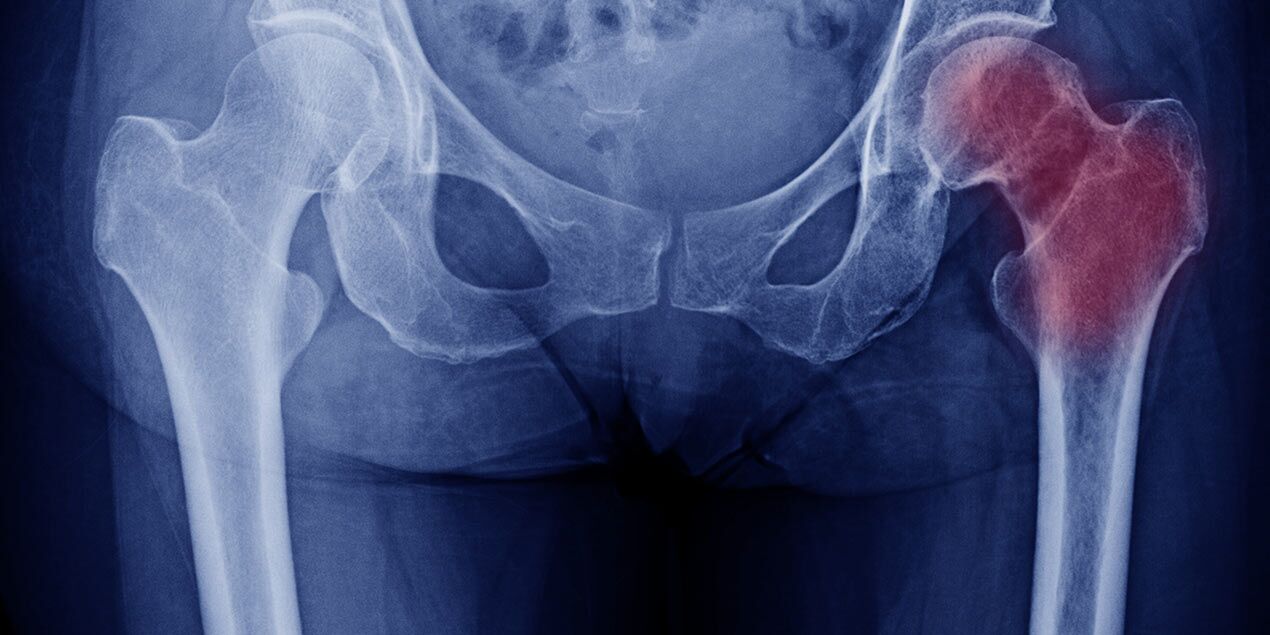
  Transient Osteoporosis of the Hip Transient Osteoporosis of the Hip is a rare disease that causes a transient decrease in bone density of the proximal part of the femur and occurs most often in: Young and middle-aged men (30-60 years old) Women during the last months of pregnancy or postpartum. Patients suddenly experience hip...

Plica Syndrome

Membrane fold syndrome (Plica syndrome) The membranous folds are one of the sources of pain on the anterior surface of the knee in children and adolescents. The medial and lateral knee folds are normal membranous folds that separate the compartments of the knee during development. They are usually asymptomatic and have little clinical significance. However,...

Ankle osteochondritis

Osteochondritis of the ankle It is the result of prolonged injury during inversion of the ankle. It is characterized by necrosis of a portion of bone and articular cartilage, which can be separated from the ankle vault. The necrosis can develop on the medial side of the ankle, due to compression of the medial side...

Discoid meniscus

  Disc-shaped meniscus The menisci are two crescent-shaped fibrocartilaginous elastic structures, which are inserted between the articular surfaces of the femoral and tibial condyles, intended by Nature to absorb shocks. Disc-shaped meniscus is an abnormal anatomical variation of the meniscus, which acquires a disc-shaped shape, is thickened and larger in surface area than normal. Its...

Osteonecrosis of the femoral head

 Osteonecrosis of the femoral head Osteonecrosis of the femoral head , also known as aseptic necrosis, is a pathological condition resulting from reduced vascular supply to the femoral head, resulting in the death of osteocytes and the collapse of the articular surface. Patients are typically young adults, aged 35 to 45 years, and risk factors...

Hallux valgus (bunion)

  hallux valgus, or commonly called bunion, is a common anatomical abnormality of the big toe. The big toe is displaced outwards, i.e. exostoses on the inner side of the joint, rubbing against the leather of the shoes and creating ulcers. Hallock (bunion) Usually bunions are accompanied by a rotation of the toe, as well...

Patellofemoral pain syndrome

Patellofemoral pain syndrome The Patellar chondropathy is one of the most common and painful diseases in the knee area, which is due to damage to the patellar cartilage. Its incidence is increased in young people and especially in those who have sports activities. The main causes of this disease include: injury, such as professionals in...


This error message is only visible to WordPress admins

Error: There is no connected account for the user 17841445227897781.

Νικόλαος Ζερβάκης - Ορθοπαιδικός Χειρουργός
bt_bb_section_top_section_coverage_image