
Δευ: 18:30 – 21:30 - Τετ:18:30 – 21:30 - Παρ:18:30 – 21:30
Δερβενακίων 30 & Υγείας, Παλλήνη
Osteonecrosis of the femoral head , also known as aseptic necrosis, is a pathological condition resulting from reduced vascular supply to the femoral head, resulting in the death of osteocytes and the collapse of the articular surface.
Patients are typically young adults, aged 35 to 45 years, and risk factors (in 75%-90% of cases) include mainly femoral neck fractures, long-term steroid use, alcoholism, and smoking. Other possible causes include slipped capital femoral epiphysis in childhood, diving, autoimmune diseases, hematological diseases, AIDS, hyperlipidemia, chemotherapy and/or radiation, organ transplantation, and many metabolic diseases.
Men are affected up to three times more often than women, while for both sexes, cases of bilateral osteonecrosis of the femoral head reach 75% [3,5].
The early stages of the disease can often be asymptomatic, and some patients present after the articular surface has “collapsed.” The presence of pain localized to the inner thighs or groin and limitation of hip motion in patients under 50 years of age should raise the suspicion of osteonecrosis.
The prognosis for the hip can be significantly improved with early diagnosis, before the articular surface “collapses.”
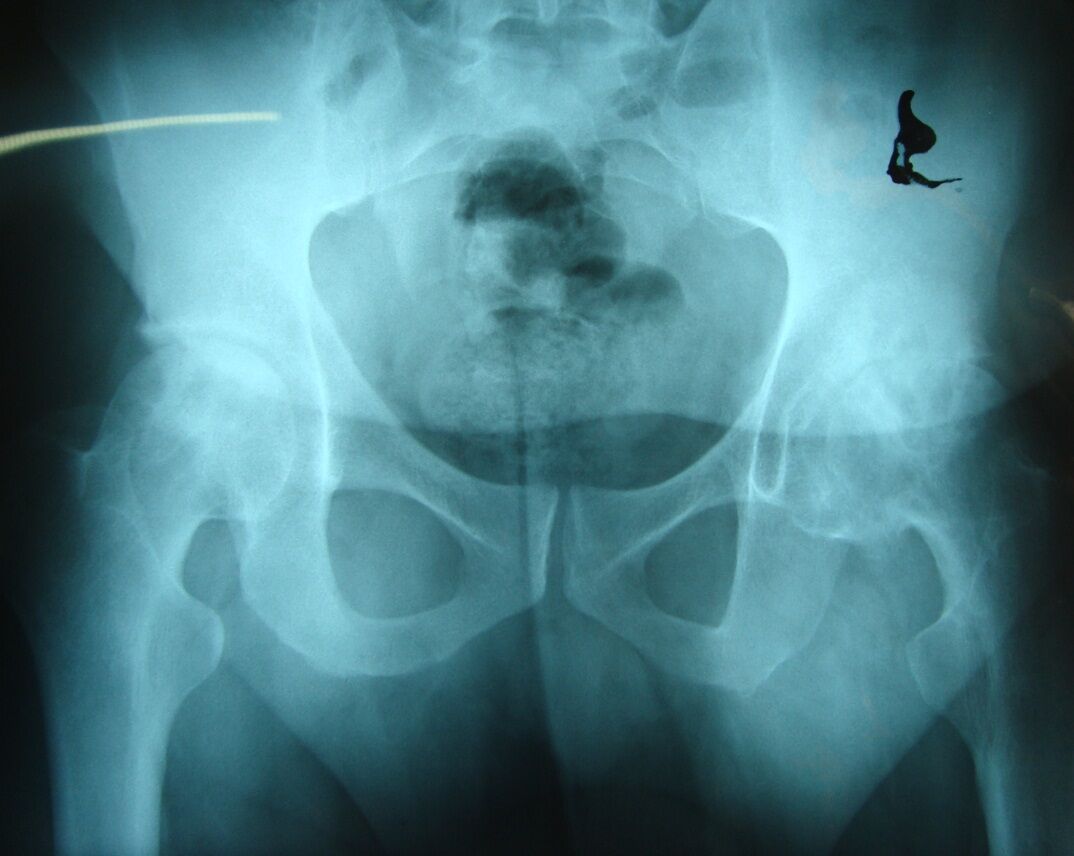
X-rays may show normal findings or subchondral cyst formation and sclerosis. MRI has become the most widely used imaging modality, as it is highly sensitive and specific for osteonecrosis of the femoral head, especially in the early stages.
Non-invasive treatment options for osteonecrosis include methods to offload the affected hip, using a crutch or walker, activity modification, and physical therapy. However, these methods do not help treat end-stage osteonecrosis and have limited success in halting the progression of the disease.
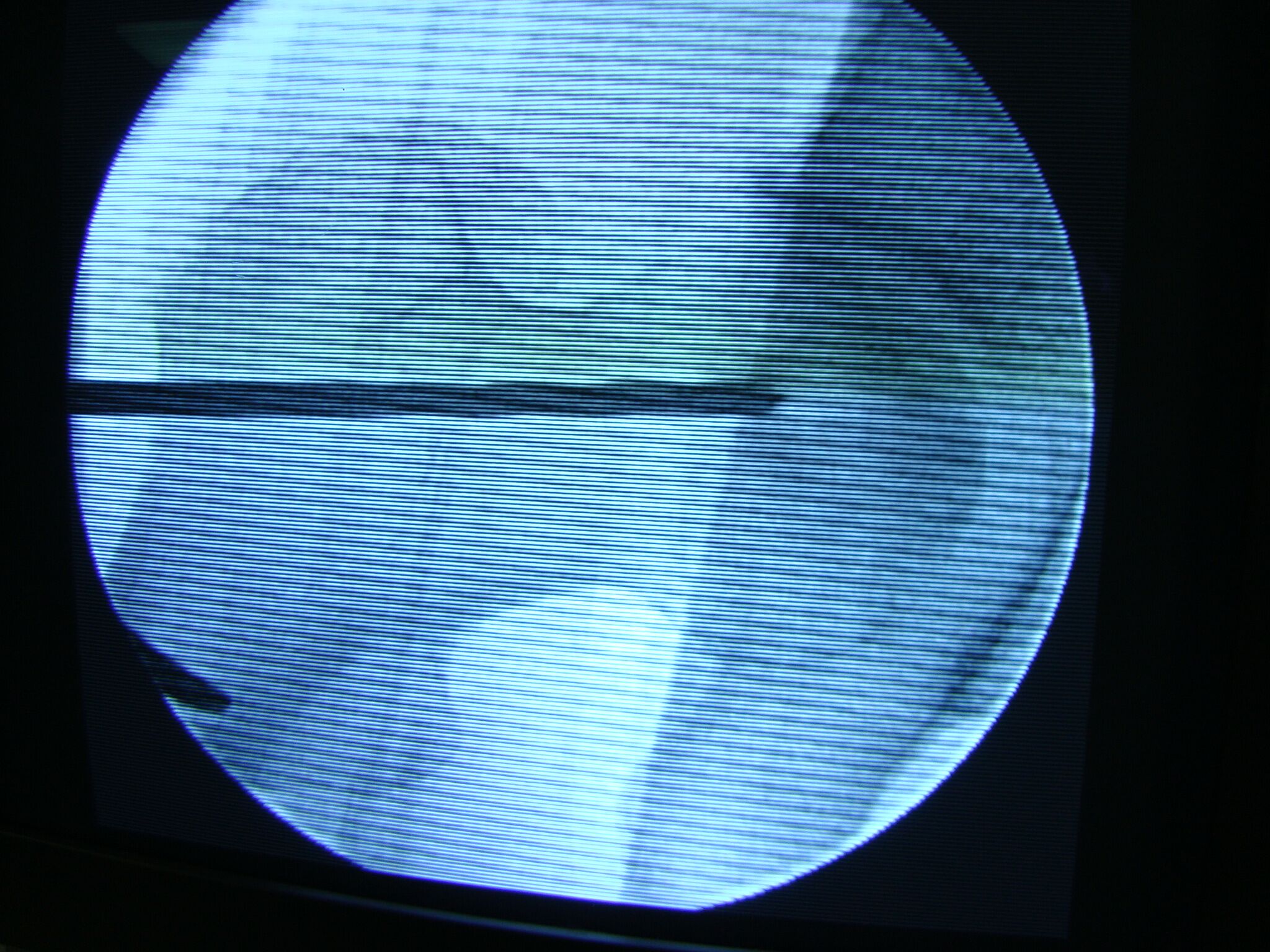
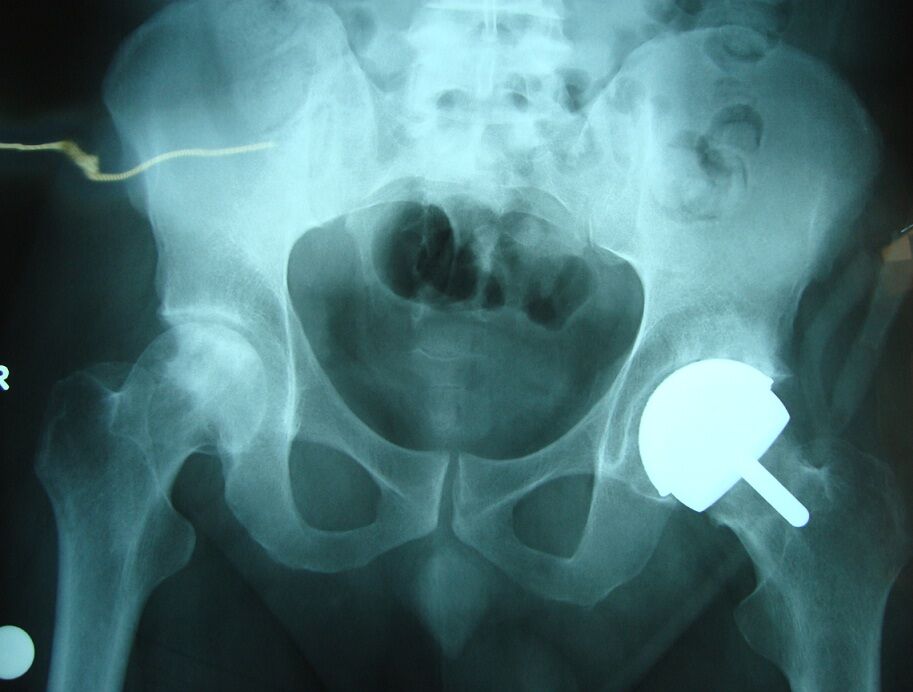
CORE DECOMPRESSION is a surgical procedure used in the early stages of the disease, before the hypochondrium collapses. Resurfacing arthroplasty may be used in younger patients with osteonecrosis involving less than one-third of the femoral head.
According to the latest developments, simultaneously with decompression, hypochondral plastic surgery can be performed with injection of bone cement, which accelerates the process to the maximum extent.
Finally, in advanced stages of osteonecrosis and in the failure of other invasive techniques, total arthroplasty remains the surgery of choice
[instagram-feed feed=1]