HomeCategory

Diseases Αρχεία - Page 2 of 3 - Νικόλαος Ζερβάκης MD, MSc

Tendon rupture

Tendonous Petal Rupture Tendonous petal is the tendon that surrounds the head of the humerus and is essentially responsible for the movement of the shoulder. A group of 3 Shoulder Muscles, the Supraspinatus, the Subspinatus, and the Teres Minor, which perform the movement of external rotation and abduction, have a common tendon attachment to the...

What is Osteoarthritis?

What is Osteoarthritis Osteoarthritis is generally called the inflammation of anatomical elements (e.g. joint capsule, cartilage, bones) that make up a joint. Therefore, osteoarthritis can be observed in all joints of the body (e.g. shoulder joint, elbow joint, knee joint). The most common form of osteoarthritis is degenerative osteoarthritis – wear and tear of the...

Shoulder osteoarthritis

  Shoulder Osteoarthritis Shoulder arthritis causes pain, work problems, disabilities or disabilities for a large number of our fellow humans. There are two joints in the shoulder: The joint of the clavicle with the acromion: Acromioclavicular joint2. The joint of the arm with the shoulder blade: Glenobrachioarticular joint Causes of shoulder arthritis The main causes...

Hip osteoarthritis

 Hip Osteoarthritis In contrast to the shoulder joint, the hip joint hip is one of the most common areas affected by osteoarthritis. The causes are varied and are due to: – heredity – age over 40 years – gender: women are particularly susceptible, especially over 55 years – history of sports injuries – patient’s medical...

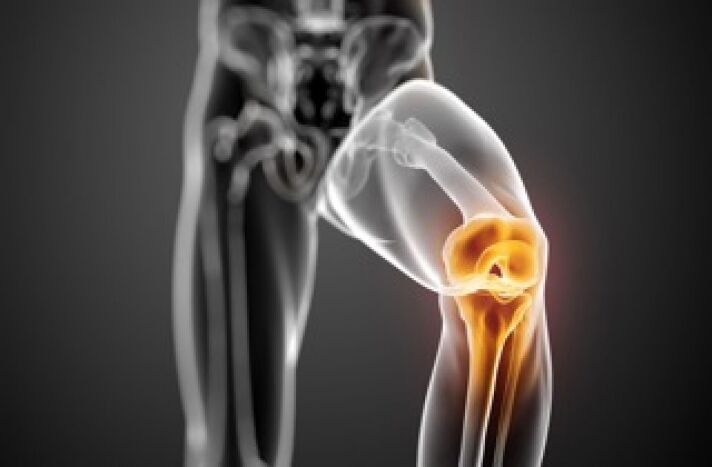
Knee osteoarthritis

 Osteoarthritis of the knee Of similar frequency to the hip joint, the knee joint is one of the most common areas affected by osteoarthritis. The causes are varied and are due to: – heredity – age over 40 years – gender: women are particularly susceptible, especially over 55 years – history of sports injuries – patient’s...

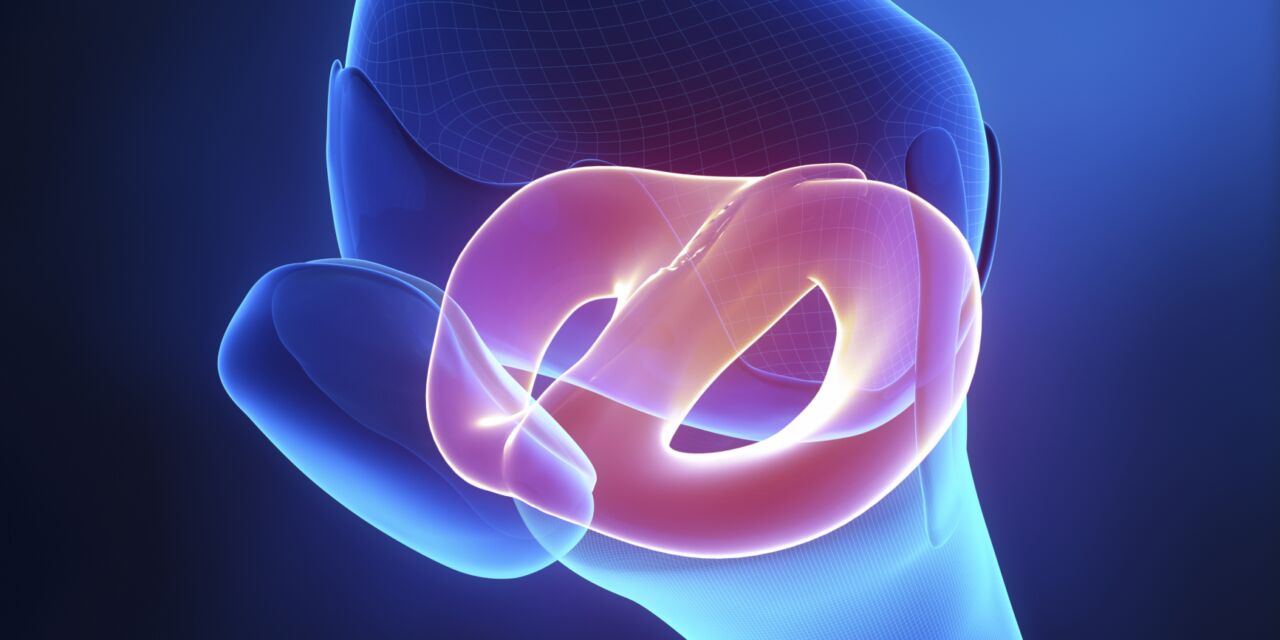
Meniscus

  Meniscus The meniscus – an elastic structure made of collagen tissue and fibrocartilage found in the knee joint – is of crucial importance for the proper functioning of the knee joint, i.e. the uniform distribution of weight and the stabilization of the knee joint.   The causes that may cause meniscus damage are varied...

Achilles tendon rupture

Achilles tendon rupture The Achilles tendon – the strongest tendon in the human body – is responsible for the movement of the ankle joint but also for filtering the voluntary or involuntary excessive muscle contraction, very common in athletes. Achilles tendon rupture (damage) is one of the rare sports injuries and occurs mainly in amateur...

Cruciate injuries

Crucifix injuries Crucifix injuries include fractures, partial or complete tears of the anterior cruciate and posterior cruciate ligaments. The cruciate ligaments ensure stability of the knee in every movement.   The anterior cruciate ligament prevents anterior and rotational displacement of the tibia, and the posterior cruciate ligament prevents posterior displacement. Injury to both the anterior...

Transient hip osteoporosis

  Transient Osteoporosis of the Hip Transient Osteoporosis of the Hip is a rare disease that causes a transient decrease in bone density of the proximal part of the femur and occurs most often in: Young and middle-aged men (30-60 years old) Women during the last months of pregnancy or postpartum. Patients suddenly experience hip...

Plica Syndrome

Membrane fold syndrome (Plica syndrome) The membranous folds are one of the sources of pain on the anterior surface of the knee in children and adolescents. The medial and lateral knee folds are normal membranous folds that separate the compartments of the knee during development. They are usually asymptomatic and have little clinical significance. However,...

bt_bb_section_top_section_coverage_image